 Building a Strong Professional Personality
A professional’s personality is reflected not only in appearance but also in communication, confidence, attitude, body language, interpersonal skills, and the way they respond to different situations.
The session focused on helping participants understand how these qualities can influence their professional relationships, workplace performance, and career growth.
Participants were encouraged to identify their strengths, recognize areas for improvement, and develop a positive approach toward continuous self-development.
Key Areas Covered During the Session
The session included several important aspects of personality development, including:
1. Effective Communication
Clear and confident communication is essential in every workplace. Participants learned the importance of expressing ideas clearly, listening actively, choosing appropriate words, and communicating professionally with colleagues, seniors, and clients.
2. Confidence & Self-Presentation
Confidence plays a major role in professional success. The session highlighted practical ways to improve self-confidence, overcome hesitation, and present oneself effectively during meetings, discussions, presentations, and professional interactions.
3. Body Language
Non-verbal communication often communicates as much as spoken words. Participants were introduced to the importance of:
- Eye contact
- Posture
- Facial expressions
- Hand gestures
- Professional appearance
- Active listening
These elements can significantly influence how a person is perceived in a professional environment.
4. Professional Attitude
A positive and responsible attitude helps professionals handle workplace challenges more effectively. The session emphasized qualities such as discipline, adaptability, teamwork, accountability, and a willingness to learn.
5. Interpersonal Skills
Strong interpersonal skills help create healthy professional relationships. Participants discussed how empathy, respect, cooperation, active listening, and emotional awareness can improve teamwork and workplace communication.
6. Workplace Etiquette
Professional etiquette is an important part of building a strong professional image. The session covered appropriate behavior in workplace situations, including communication with colleagues, participation in meetings, professional conversations, and maintaining a respectful work environment.
An Interactive Learning Experience
The session was designed to be practical and engaging rather than purely theoretical. Participants had the opportunity to reflect on their own communication styles, professional behavior, and areas where they could improve.
The interactive approach helped participants connect personality development concepts with real-life workplace situations.
Why Personality Development Matters for Working Professionals
Personality development is an ongoing process. As professionals progress in their careers, they are expected to take greater responsibility, communicate with different stakeholders, lead teams, solve problems, and adapt to changing workplace environments.
Developing strong soft skills can help professionals:
- Communicate ideas more effectively
- Build stronger professional relationships
- Improve confidence
- Handle workplace situations professionally
- Work more effectively in teams
- Develop leadership qualities
- Create a positive professional impression
- Prepare for greater career responsibilities
Takeaway from the Session
The session reinforced an important message: professional growth is not only about what you know, but also about how effectively you communicate, behave, and present yourself.
Continuous improvement in communication, confidence, attitude, and interpersonal skills can help working professionals become more effective and successful in their careers.
We are pleased to have conducted this Personality Development Session for Working Professionals and look forward to organizing more learning initiatives that contribute to professional and personal growth.
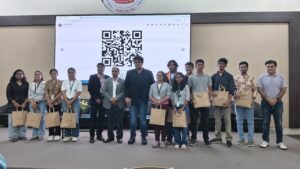
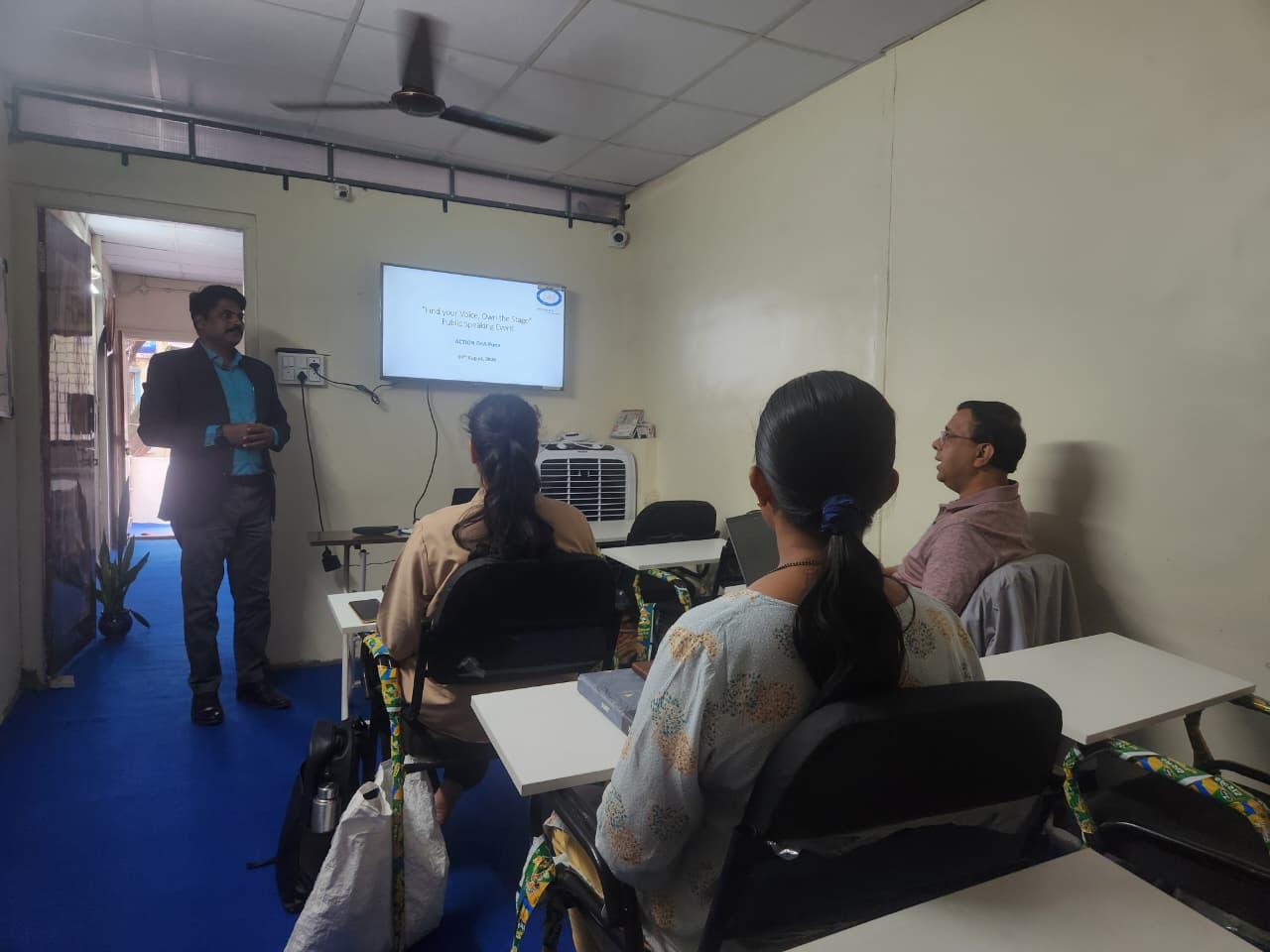
📸 Session Highlights
The session brought together working professionals in an interactive learning environment, providing an opportunity to learn, participate, and reflect on essential workplace skills.